
Last updated November 15, 2026
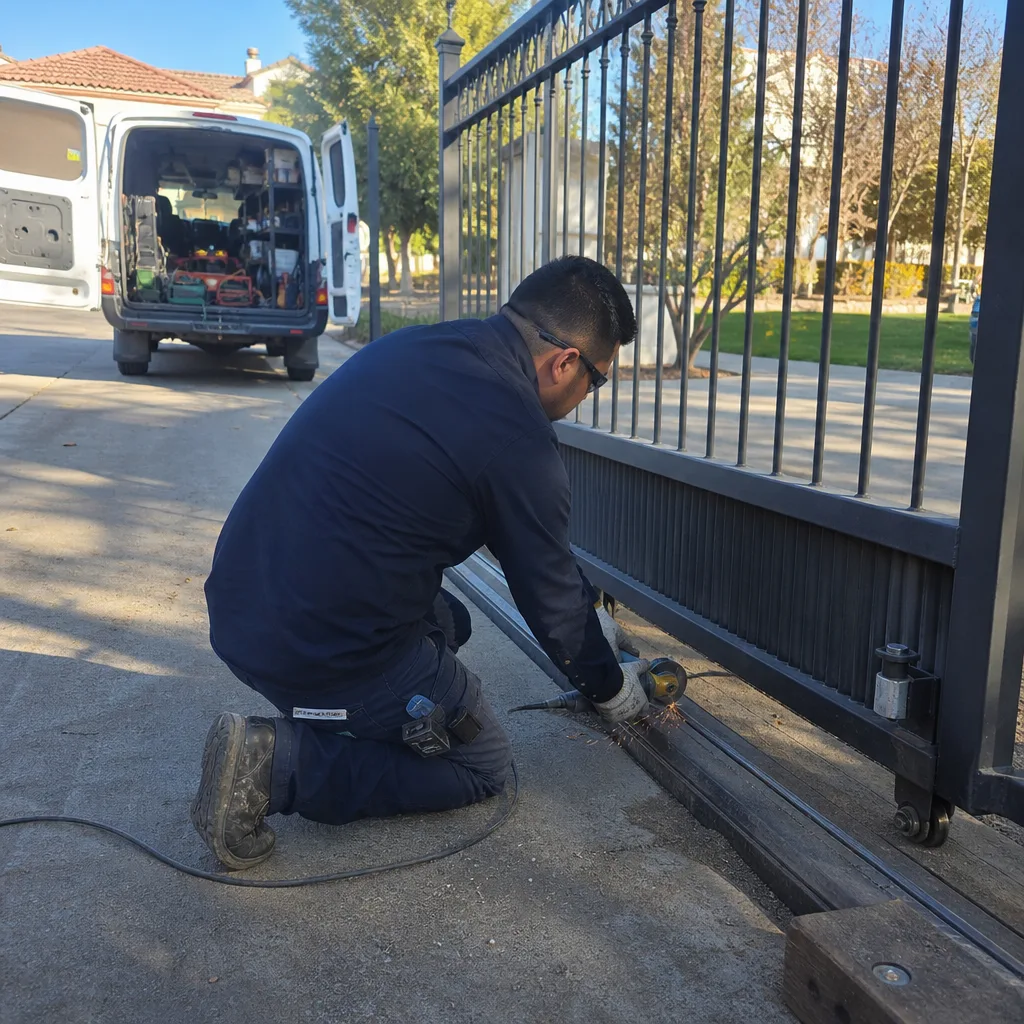
 Wrought iron
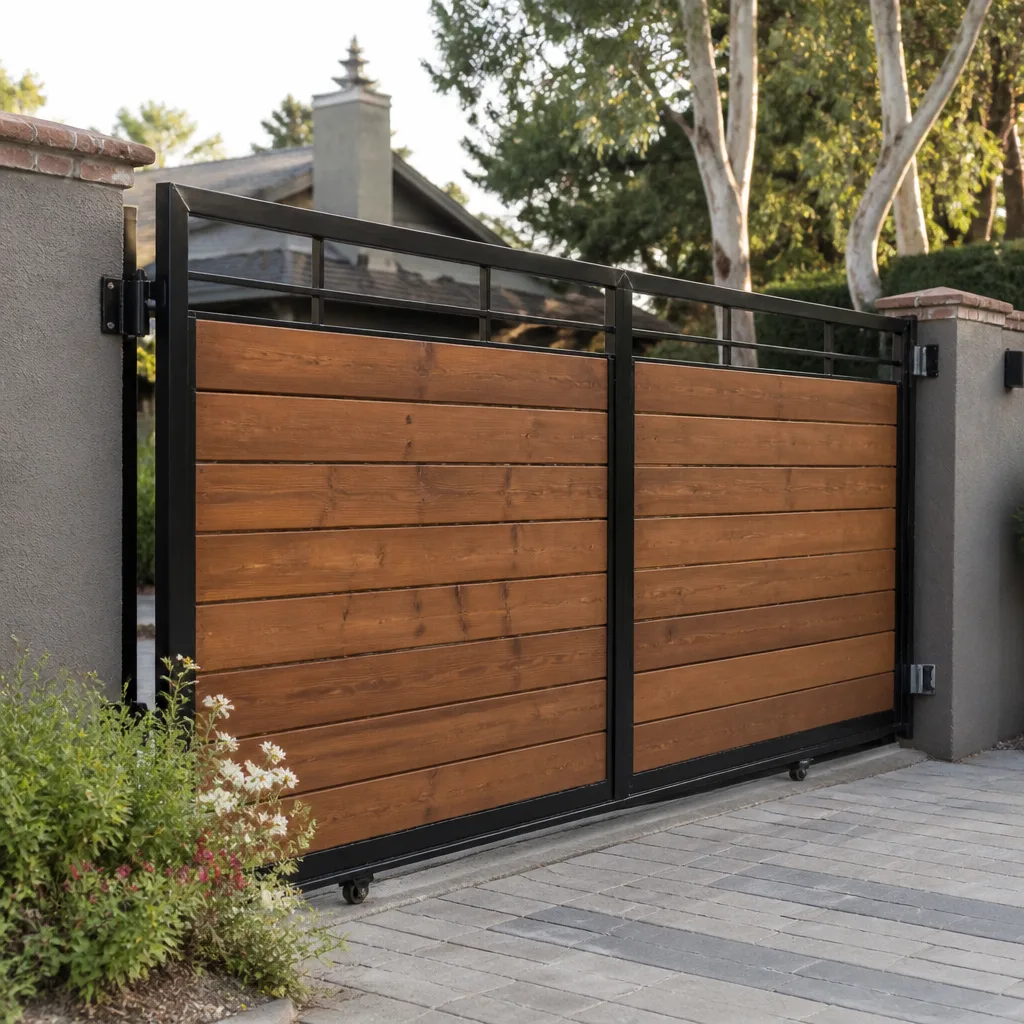 Wood & steel frame
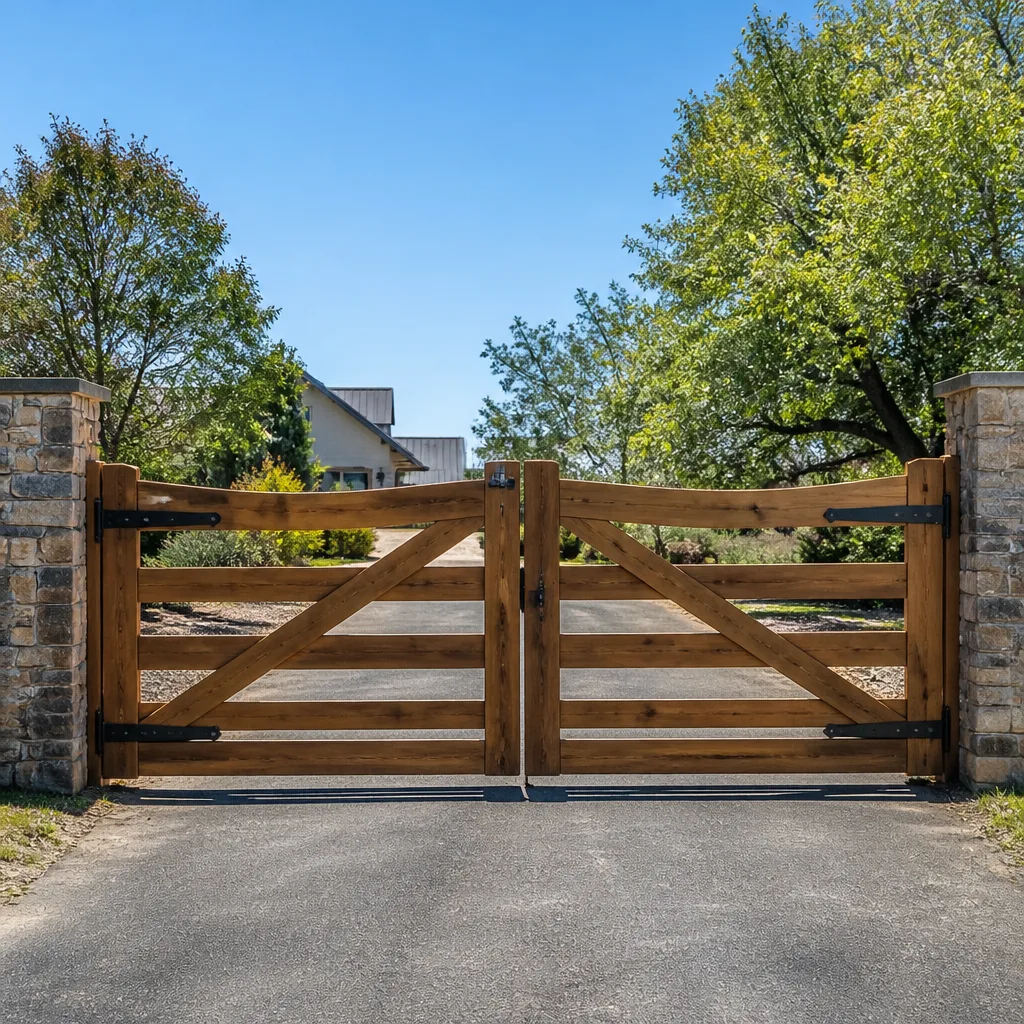 Farm & ranch
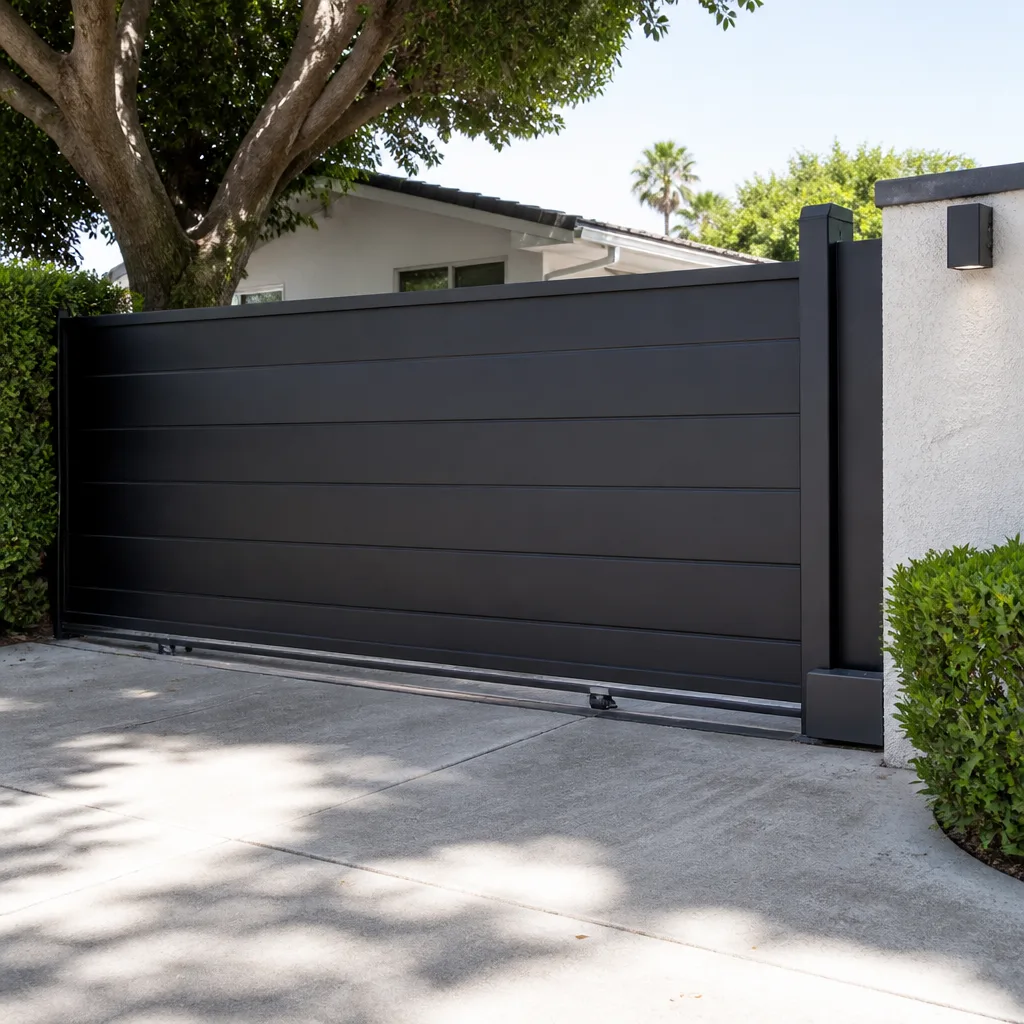 Sliding driveway gates
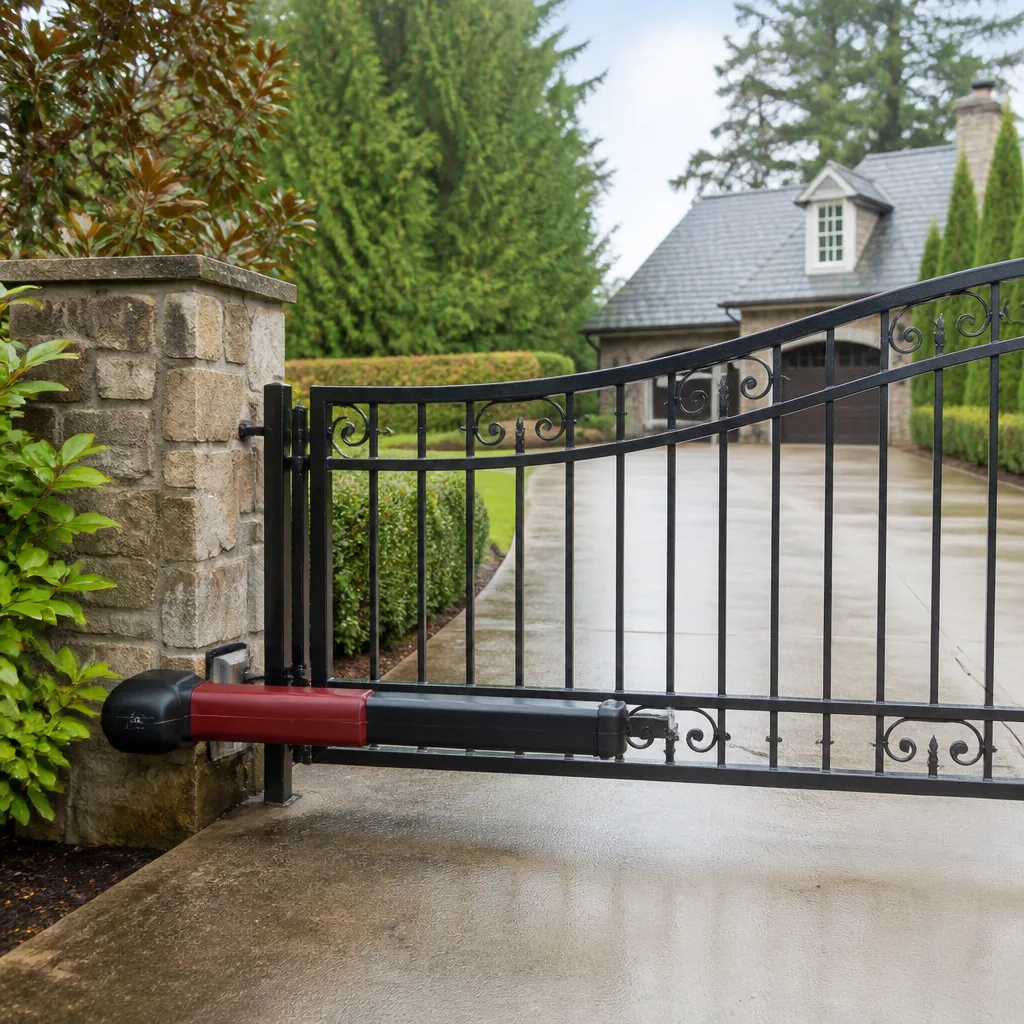 LiftMaster operators
Free on-site gate assessment - hinges, posts, and your LiftMaster or Nice gate operator checked before anything is quoted
The assessment is free and the quote is the invoice.
Get your free estimateGate Repair Emergency Preparedness Guide for Santa Maria Homes
Most gate emergencies aren’t mechanical failures. They’re knowledge failures. The operator quits, the gate locks shut, and the homeowner stands there realizing the manual release they were shown once at setup is now a complete mystery. A gate that blocks an evacuation route and a gate stuck wide open during a security scare are two different crises, and they call for two different override procedures. This guide walks you through both, along with battery backup testing, safe temporary securing, and exactly what to have in hand before you call anyone in Santa Maria.
Quick Answer
Every automated gate in Santa Maria should have a manual release you can operate in under a minute, and nearly all of them do, but the procedure differs by operator brand. A gate stuck closed needs the manual release plus knowledge of your escape route. A gate stuck open needs the gate physically secured and the operator’s power cut at the breaker. Test both procedures now, before you need them, and keep our number where you can find it in the dark.
Styles & brands we work with
- Wrought iron
- Wood & steel frame
- Farm & ranch
- Sliding driveway gates
- LiftMaster operators
Table of Contents
- Why a Stuck-Closed Gate and a Stuck-Open Gate Are Two Different Emergencies
- How to Manually Release the Most Common Gate Operators in Santa Maria
- What to Do When Your Gate Is Stuck Open and Security Is the Concern
- Battery Backup Systems: Which Gates Have Them and How to Test Yours
- How to Secure a Gate Manually Without Damaging the Operator
- Who to Call in Santa Maria and What to Have Ready Before You Dial
- The Santa Maria Gate Emergency Preparedness Checklist
- Seasonal Readiness for Santa Maria Gates
Why a Stuck-Closed Gate and a Stuck-Open Gate Are Two Different Emergencies
A jammed gate is only half the problem. The direction it fails in decides what you actually have to do next, and the two situations are almost opposites.
When a gate fails in the closed position, the risk is access. You’re inside and you can’t get out, or a family member is outside and can’t get in. If there’s a fire evacuation order or a medical emergency, seconds matter and a gate that won’t open is a physical barrier between you and the road. The solution there is the manual release: get the gate off the operator and push it by hand.
When a gate fails in the open position, the risk is security. Your property is standing open to the street, and if you’re away or asleep, that’s a real exposure. Here the manual release is the wrong tool. What you need is to secure the gate physically, disconnect the operator so it can’t cycle unexpectedly, and either hold the gate closed mechanically or get a technician out quickly.
The common mistake in both cases is the same: fumbling. Someone tries to force the gate, damages the operator, and turns a repair into a replacement. In our experience, the homeowners who come through a gate emergency with the least damage are the ones who learned their release procedure calmly, on a normal afternoon, before anything went wrong. That’s what this guide is built for. It’s also why understanding how a gate operator works at a basic level pays off during a power failure or a control board fault: you know which parts can move on their own and which you can safely touch.
If you’ve never once tested your release and don’t know what brand of operator is on your gate, start there. Figuring it out during an evacuation is too late. Santa Maria homes with automated gates are no different from anywhere else in that respect, and the more rural properties with long driveways are the ones where a stuck gate really strands people.
How to Manually Release the Most Common Gate Operators in Santa Maria
Nearly every residential and light-commercial gate operator sold today has a manual release, and the three brands we see most in Santa Maria each use a slightly different mechanism. Knowing which one you have saves you from yanking on a key that was never meant to turn that way. Our technicians have up to 9 years of experience across these systems, and the release procedure is the first thing we check at the end of every repair and installation.
Here’s the general sequence for a swing gate, which covers most LiftMaster and FAAC residential operators we work on:
- Cut power at the operator. Find the control box or the dedicated breaker and switch it off. Never reach into a moving gate or work on a powered operator. Electrical components in a gate operator can shock you, and the gate arm itself can crush a hand.
- Locate the manual release. On most swing operators it’s a lever, a keyed knob, or a hexagonal release on the operator housing. The key or handle is usually supplied at installation.
- Turn or lift the release. LiftMaster swing operators typically use a keyed release you turn about a quarter turn to disengage the gear. FAAC units often use a lever or a release key that you rotate until you feel the drive disengage.
- Push the gate by hand. Once disengaged, the gate should move freely. If it still won’t move, stop. Forcing it means something else is bound, and that’s a repair call, not a homeowner fix.
Viking operators, common on residential slide gates, usually release through a lever on the housing that disengages the drive so the gate slides by hand. Elite operators follow a similar pattern. On slide gates, remember the gate rides on a track, so if it releases but won’t slide, check the track for a foreign object before you push hard.
One safety note that matters more than any brand detail: on a heavy slide gate or a wide swing gate, a released gate is a free-swinging weight. Keep kids and pets clear, chock it or brace it before you move it far, and never stand where the gate would swing or slide if it got away from you. If your operator is older or you can’t identify the release at all, don’t guess. We can walk you through it or send someone out.
What to Do When Your Gate Is Stuck Open and Security Is the Concern
A gate frozen in the open position is a security problem, not an evacuation problem, and the fix is completely different. You don’t need it to move; you need it to stay closed.
Start by disconnecting the operator so it can’t cycle. If the gate is stuck open because of a control board fault, a failed limit switch, or a safety loop that’s reading a phantom vehicle, the operator may twitch, reverse, or try to close on its own at the worst moment. Cut power at the breaker first. A gate that’s suddenly powered down is safer than one that’s behaving erratically.
Then secure the gate mechanically. Options, in rough order of speed:
- Chain and padlock through the gate frame and post if the gate has secure points. This is the fastest hold for a swing gate.
- Use a drop rod or gate stop if your gate has one built in, common on driveway gates.
- Brace the gate with a vehicle or temporary barrier if the gate is on a private drive and you need it closed now.
- Engage the manual release and physically hold the gate closed only for a short window, while someone watches it, until a real lock is in place.
What you don’t do is try to force a gate that has come off its track back onto the track by hand, especially a slide gate. Heavy slide gates that jump the track can fall, and a fallen panel causes real injuries. Call a technician for that one.
If the gate is on an HOA or commercial property, loop detectors and access hardware are the usual culprits behind a gate that won’t close. Those are exactly the systems we handle under electric gate repair, so describe the symptom when you call and we can usually narrow it down fast. Santa Maria property managers deal with this often enough that it’s worth having the operator brand and a photo of the control board on hand before the problem hits.
Battery Backup Systems: Which Gates Have Them and How to Test Yours
A battery backup is the difference between a gate that works for a few hours after the power drops and one that’s dead the moment the grid goes down. Not every operator has one, and even the ones that do need their battery tested periodically or it’s dead when you need it.
Residential swing and slide operators from Mighty Mule and LiftMaster often ship with or support a battery backup, and many modern installations include one. Commercial-grade systems like FAAC, BFT, and DoorKing usually use a dedicated battery or UPS arrangement, sometimes with a separate control enclosure. The quick way to know: look at the operator housing for a battery compartment, or check the manual for your model. If you’re not sure, a technician can tell you in a few minutes during a routine visit.
How long a backup lasts depends on the gate, the battery, and how often the gate cycles. A residential swing gate that opens and closes a few times a day will typically ride out a short outage far better than a busy commercial slide gate that cycles every few minutes. The honest answer is that you should test yours rather than trust a number.
To test your battery backup safely:
- Find the dedicated breaker for the gate operator. Confirm with everyone in the household that you’re about to cut it.
- Switch the breaker off during a normal, unhurried time, never during an emergency or when someone needs the gate.
- Trigger one cycle with the remote or keypad and see whether the gate moves. If it does, the battery is holding.
- Watch how strongly it moves. A sluggish or slow cycle means the battery is weak.
- Restore power at the breaker and trigger another cycle to confirm the operator is back on mains.
If the gate doesn’t move at all when the power is off, your battery is either missing, dead, or not wired. A weak battery is a maintenance item, not a full replacement, and it’s the kind of thing worth checking once a year. A gate operator that fails during an outage because the battery was never tested is a failure you could have prevented.
How to Secure a Gate Manually Without Damaging the Operator
The most common way homeowners make a gate emergency worse is by forcing it. A gate that’s been pushed against a jammed drive or a dead limit switch turns a small repair into a motor replacement. Securing a gate manually is about holding it, not freeing it.
Here’s a safe sequence when you need to secure a gate and wait for a technician:
- Kill power at the breaker. This stops the operator from cycling mid-secure and protects you from electrical parts.
- Engage the manual release so the gate is off the drive. This is what prevents damage: a released gate can’t strain the motor when you move it.
- Move the gate to the closed position slowly, using the frame, not the operator arm.
- Lock it. Chain, gate lock, drop rod, or whatever your gate uses. The gate should be held by the hardware, not by your hand.
- Leave the operator off until a technician has looked at it. Re-energizing a gate with an active fault is how you turn a repair into a replacement.
Two things never to do: never put your hand, arm or body inside a gate frame or between the gate and a post to hold it, and never re-engage the manual release by forcing it if it doesn’t turn easily. If the release jams, the operator needs service.
If your gate is on a track and has come off it, don’t try to lift it back on. Slide gate panels are heavy, and a panel that falls causes serious injury. Secure the gate with a temporary barrier and call us. In our experience working on Santa Maria gates, the panels that get hurt worst are the ones someone tried to manhandle back into place.
Once the gate is secured, write down what you saw and heard. Did it open past the normal stopping point? Did the motor run but the gate not move? Did the control board show an error light? Those details shorten the diagnosis and save you money on the repair. It’s the difference between gate repair that’s done in one visit and repair that turns into a return trip.
Who to Call in Santa Maria and What to Have Ready Before You Dial
Call a gate specialist, not a generalist. This is the one call where the brand on your operator and the specific symptom matter more than the neighborhood or the size of the job, and a specialist gets you there faster. Gate Repair Santa Maria handles gate repair, electric gate repair, and gate installation, and we work across nine brands including LiftMaster, FAAC, Elite, and Mighty Mule. Because we only do gates, every job on the schedule is a gate job, and that means fewer guesses and faster diagnosis on your call.
We answer 24/7. Fast dispatch from 7am to 7pm, Sunday through Friday. If a gate fails late at night or on a Saturday, call us and we’ll book you into the next opening. The line is open, and having the right information ready makes the booking faster and gets a technician out sooner.
Before you dial, have these ready:
- Your operator brand and model, if you can find it. On the housing, the manual, or a sticker near the control board. We service LiftMaster, FAAC, BFT, Linear, Viking, Ghost Controls, DoorKing, Elite, and Mighty Mule, so the brand is a fast start.
- The direction the gate failed. Closed, open, halfway, or cycling on its own.
- What the motor is doing. Humming, silent, running continuously, or tripping a breaker.
- Your gate type. Swing or slide, residential or commercial, approximate width.
- Whether the manual release works. If you’ve already tried it, tell us what happened.
- Any lights or error codes on the control board. A photo helps.
- Your address and how to get in. For gated properties, explain how the technician reaches the gate.
One more thing: a written estimate sets the final price, and we quote and agree on the price before any work starts. You won’t get a surprise invoice. Call (844) 834-0978 and you’ll have someone on the line.
The Santa Maria Gate Emergency Preparedness Checklist
Gate preparedness is a one-hour job you do once and then keep an eye on. Here’s the checklist we suggest to every Santa Maria homeowner, landlord and property manager with an automated gate. Work through it now and you’ll never be fumbling in the dark during an outage.
- Find your operator brand and model. Write it down and keep it with your gate documents. This single fact saves time on every future call.
- Locate and test the manual release today. Once with the power off, calmly, using the correct release for your brand.
- Find the gate breaker. Confirm which breaker feeds the operator and label it clearly on the panel.
- Test your battery backup once a year. Cut the breaker, run one cycle, restore power.
- Keep a gate lock, chain, and padlock at the gate. Something that holds the gate closed without the operator.
- Store a photo of the control board and the operator sticker on your phone. You’ll have it with you in an emergency.
- Show every adult in the household the release procedure. Kids shouldn’t operate it without supervision, but adults should all know how.
- Keep our number saved: (844) 834-0978. Saved, not just looked up.
If you’re in the middle of a project and realize your gate needs more than a repair, that’s still one call. We handle the full lifecycle, from electric gate repair through new installation, so you don’t have to find a second contractor if the diagnosis reveals the gate needs replacing. That’s part of what makes a specialist worth calling on a preparedness question rather than just a breakdown.
Seasonal Readiness for Santa Maria Gates
Santa Maria’s weather doesn’t punish gates the way a mountain climate does, but our seasonal pattern still affects them. Dry, windy stretches bring dust and grit into slide gate tracks. The wet part of the year brings moisture into control enclosures and loosens soil around gate posts. Neither is dramatic, and neither should be ignored.
A short seasonal routine keeps a gate working through both:
- Clear slide gate tracks of debris, dirt, and dried leaf litter before the windy season.
- Check the gate posts for movement or loosening after heavy rain, especially on driveways with soil that shifts.
- Inspect the control enclosure for water intrusion or any sign the door seal is compromised.
- Test the safety loops and access hardware on commercial gates, since a loop that fails in the wet season tends to fail at the worst time.
- Re-test the battery backup once a year, before the season where outages are more likely.
If you’re a property manager with gates on multiple Santa Maria properties, this routine is worth putting on a calendar per property rather than doing it from memory. In our experience, a small amount of seasonal attention saves a lot of emergency calls.
Common Mistakes to Avoid
- Forcing a gate that’s stuck. Pushing a jammed gate against a dead motor or a seized gear tears up the drive and turns a small repair into a replacement. Stop, find the manual release, and disengage the gate properly.
- Trying to lift a slide gate back on its track by hand. A heavy panel can fall on you. That’s a technician’s job, and it’s worth the wait.
- Never testing the manual release after installation. Installers demonstrate it once, the homeowner forgets, and the emergency becomes a panic. Test it in the daylight, once a year, with the power off.
- Assuming the battery backup is fine because the gate works. The battery only proves itself during an outage. Cut the breaker and run a test cycle, or you’re trusting a battery you’ve never tested.
- Re-energizing the operator after a fault without a technician’s look. If a control board or limit switch is at fault, powering back up can cycle the gate unexpectedly or burn out further components.
- Hiring a general handyman for an automated gate. Control boards, loop detectors, and intercom wiring need gate-specific knowledge. A generalist will figure it out on your dime.
- Not knowing the operator brand before calling. Brand and model get you a faster diagnosis and a more accurate estimate. It’s the one fact worth keeping at hand.
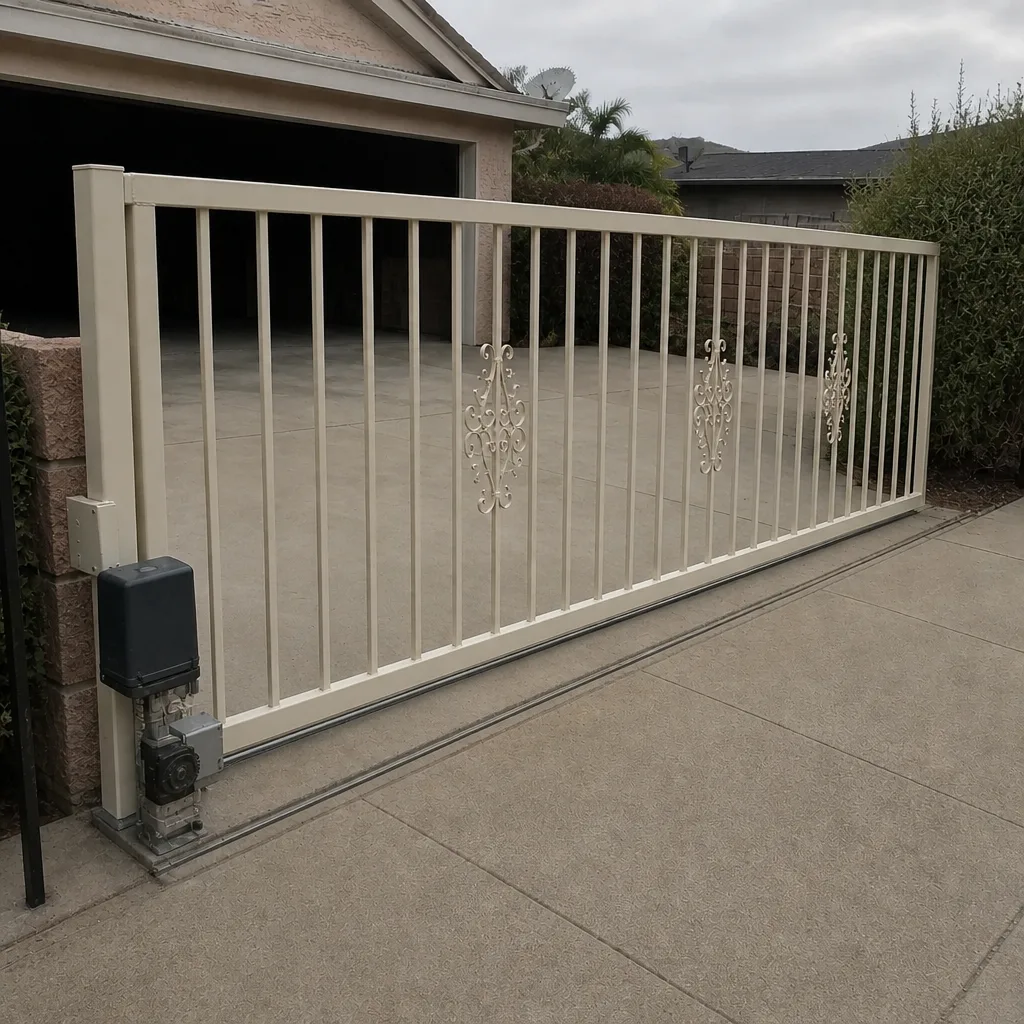
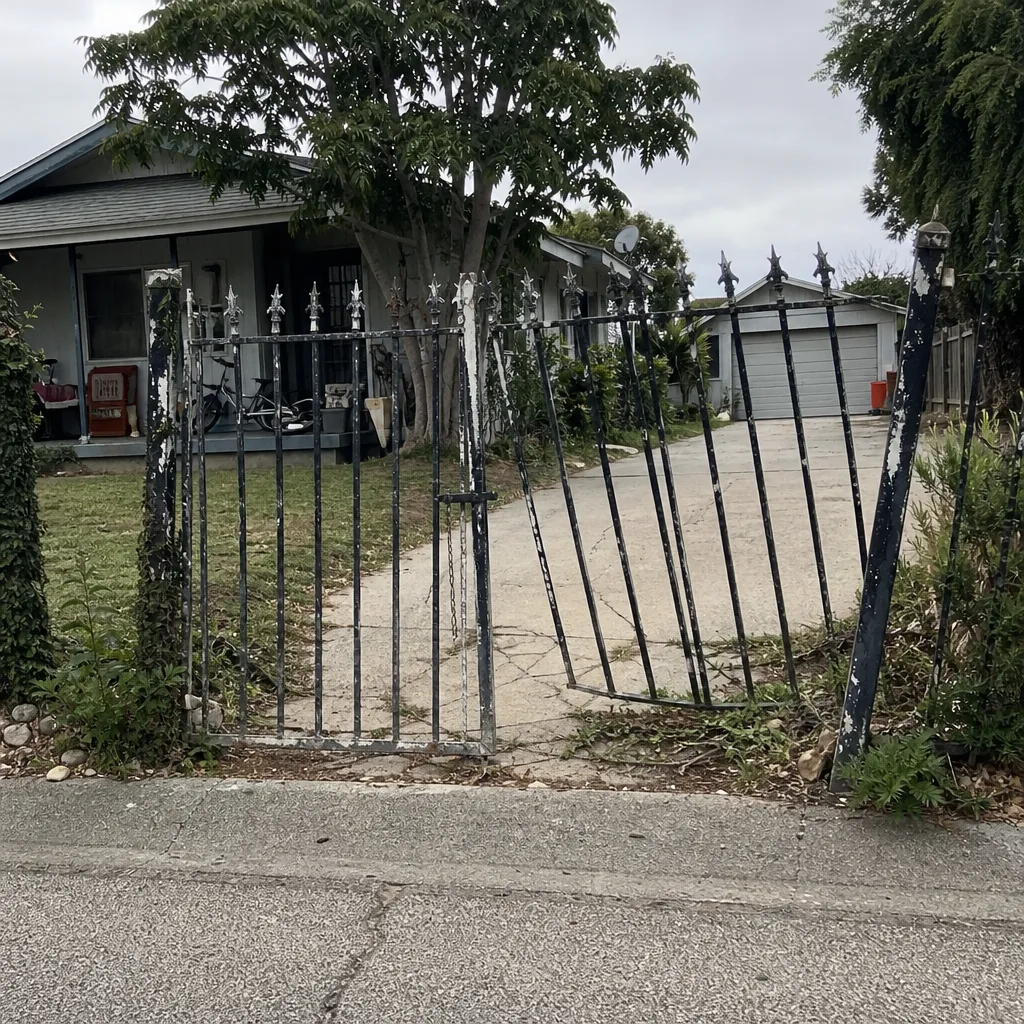
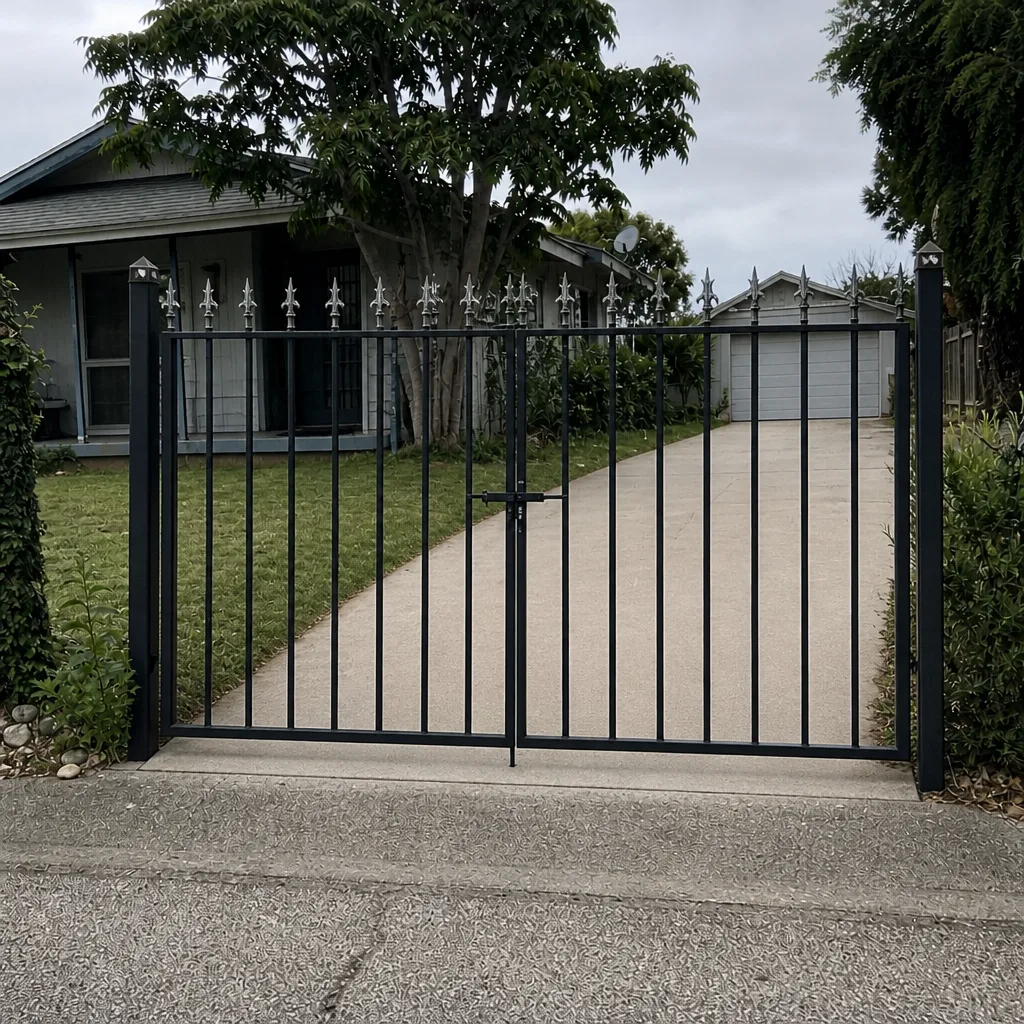
See the difference
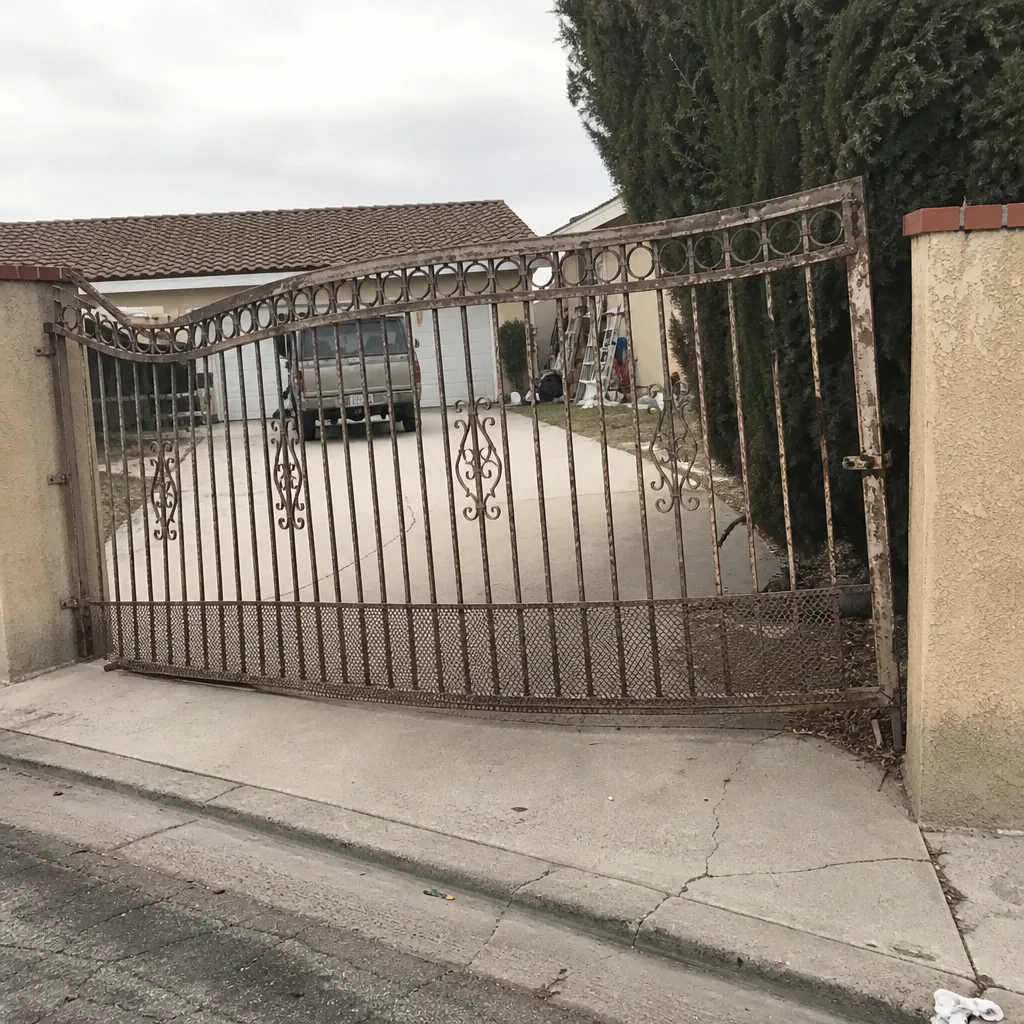 Before
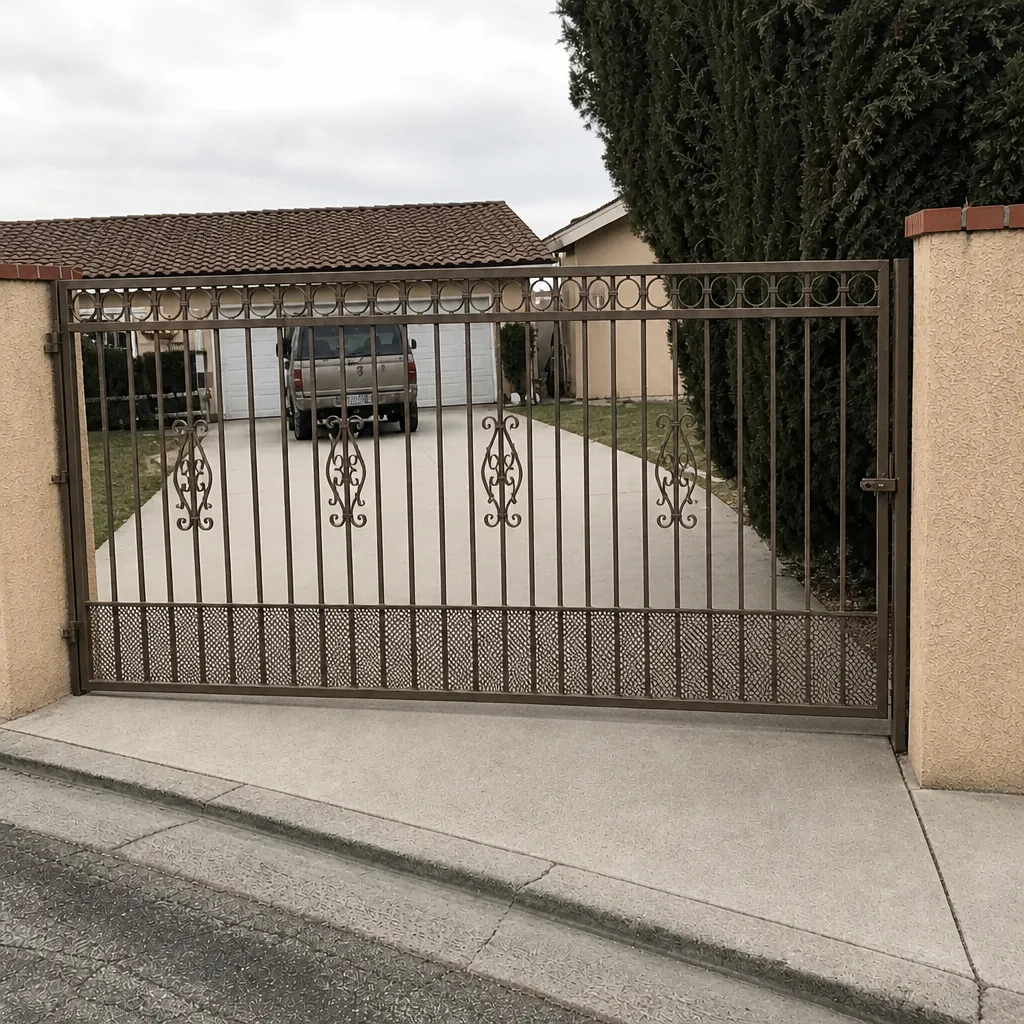 After
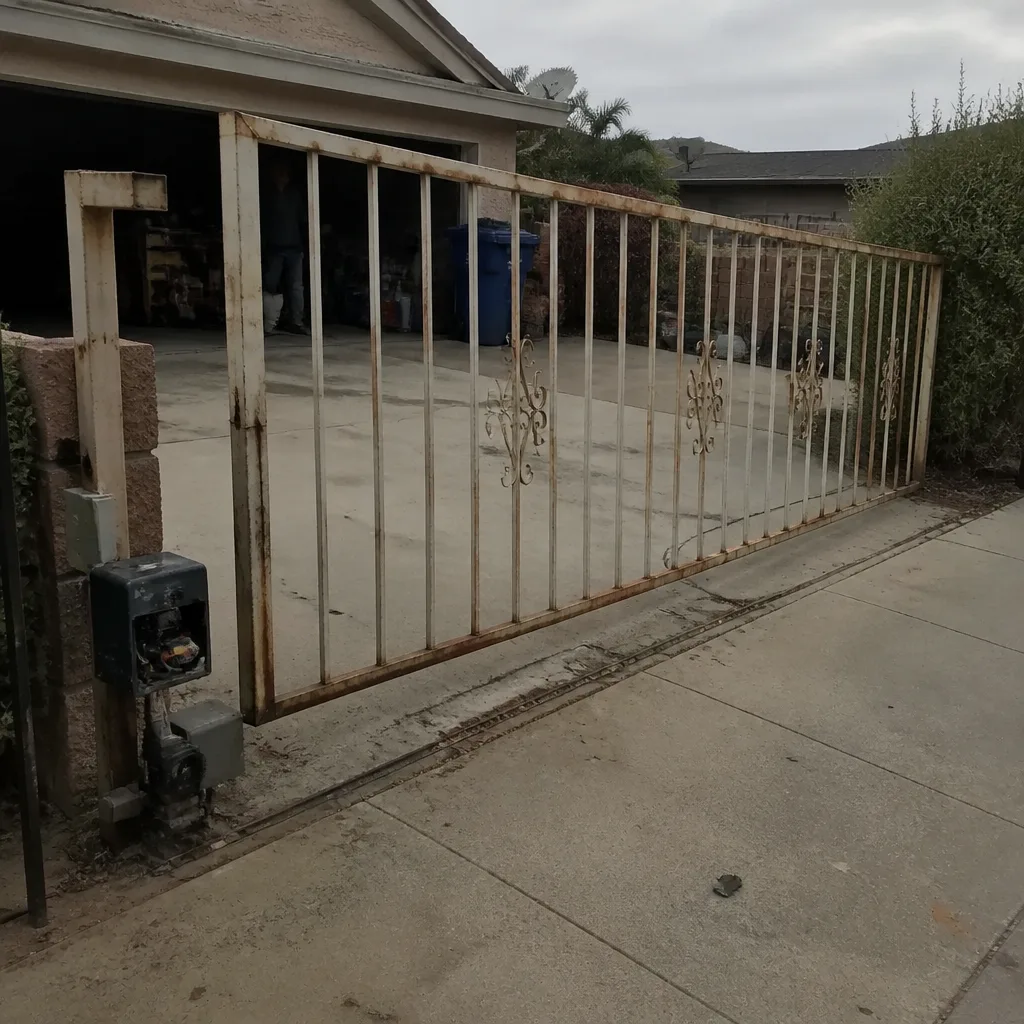 Before
 After
 Before
 After
When to Call a Professional
Call us when the gate won’t move even after the manual release is engaged, when the operator hums, runs, or trips a breaker, or when a slide gate has come off its track. Call us if the control board shows a fault light, if safety loops are stopping the gate erratically, or if the gate reverses or cycles on its own. Those are all signs that need gate-specific diagnosis. If the gate is on an HOA or commercial property and access hardware or intercoms are involved, call. If a repair reveals a gate that’s failing structurally, we handle installation too, so you don’t start over. Gate Repair Santa Maria offers free estimates in Santa Maria – call (844) 834-0978. We answer 24/7, and we’ll book a visit for the next opening, Sunday through Friday, 7am to 7pm.
Frequently Asked Questions
A LiftMaster swing gate operator usually has a keyed manual release on the housing that you turn about a quarter turn to disengage the drive. Cut power at the breaker first, then turn the release, then push the gate by hand and keep clear of the swing path.
A gate stuck open is usually a control board fault, a failed limit switch, or a safety loop reading a phantom vehicle. Cut power at the breaker, engage the manual release, move the gate to the closed position, and lock or chain it. Then call us to diagnose the fault.
No. Many LiftMaster and Mighty Mule residential operators support a battery backup, and commercial systems like FAAC and DoorKing often use one, but not every gate has it. Check the housing or the manual, or ask a technician on a visit.
It depends on the battery, the gate, and how often it cycles. A residential gate that opens a few times a day will usually ride out a short outage better than a busy commercial gate. Test yours once a year rather than trusting a number.
Don’t force it. Find the manual release, turn it to disengage the drive, and push the gate by hand. Forcing a stuck gate against a dead operator damages the motor and drive, and it can cause injury.
Call a gate specialist, not a handyman. Gate Repair Santa Maria handles gate repair, electric gate repair, and gate installation across nine brands including LiftMaster, FAAC, Elite, and Mighty Mule. Call (844) 834-0978 – estimates are free.
The Bottom Line
Gate emergencies come down to two procedures, and both are worth knowing before you need them. A gate stuck closed just needs the manual release, applied calmly. A gate stuck open needs power cut, the gate released, and the gate secured with real hardware. Test your release once a year, test your battery backup once a year, keep the operator brand written down, and save our number. If something fails and you’re in Santa Maria, one call gets a gate specialist headed your way. Our technicians have up to 9 years of experience on the brands that matter, and we quote before we work. Visit our Gate Repair Santa Maria page or call (844) 834-0978.
Learn more about the area we serve on our Santa Maria page.
Written by the team at Gate Repair Santa Maria.